




Acoustic
collection

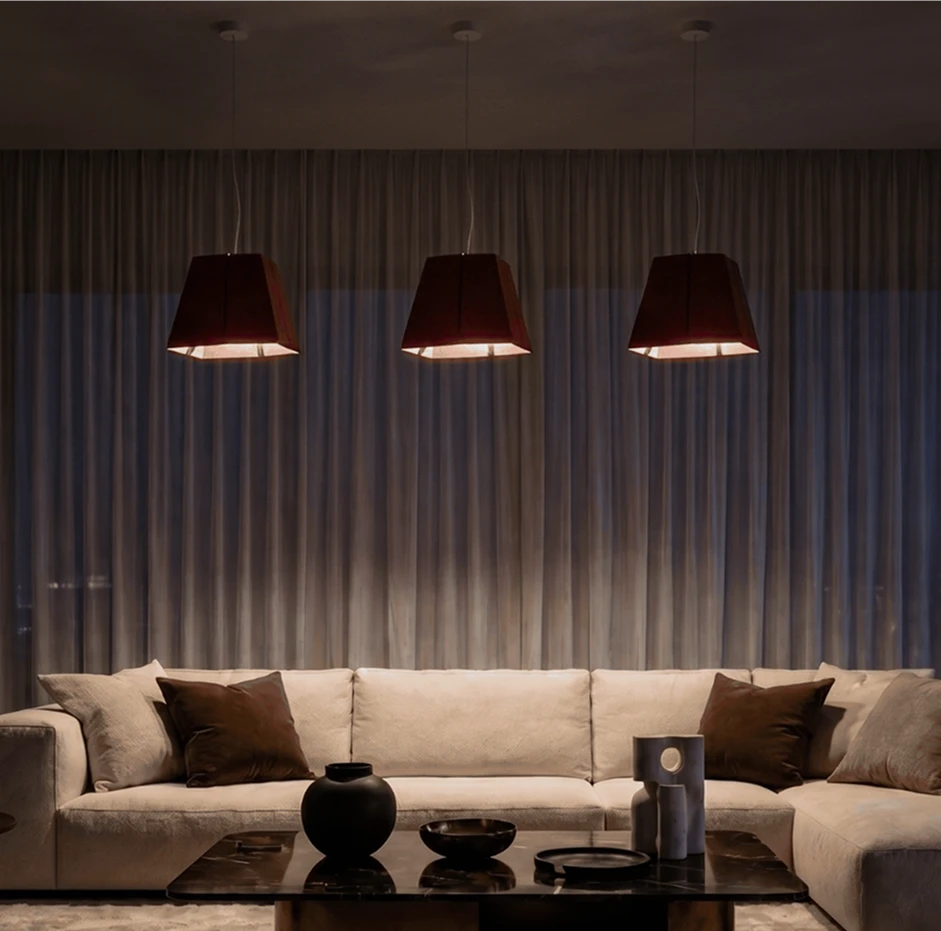
PET-felt luminaires that absorb sound and shape light — engineered together for architectural interiors.

The Collection

Acoustic performance
and light in a single
element

Acoustic lighting combines illumination and sound absorption in one fixture, reducing noise without the need for separate acoustic panels.

It’s Ideal for Spaces with:

  • High noise and echo (offices, restaurants, classrooms, meeting rooms, lobbies)
  • Poor speech clarity during conversations, presentations, or video calls
  • Hard surfaces or high ceilings that reflect sound
  • Limited ceiling or wall space where combining functions saves room


Key Benefits of Acoustic Lighting:

  • Reduces echo and reverberation
  • Improves speech clarity and comfort
  • Creates a quieter, more productive environment
  • Combines lighting and acoustics in one solution
  • Supports clean, integrated interior design
  • Can help meet acoustic performance requirements

The Fundamentals of Sound Control

What is sound?

Sound is vibration traveling through air as waves.

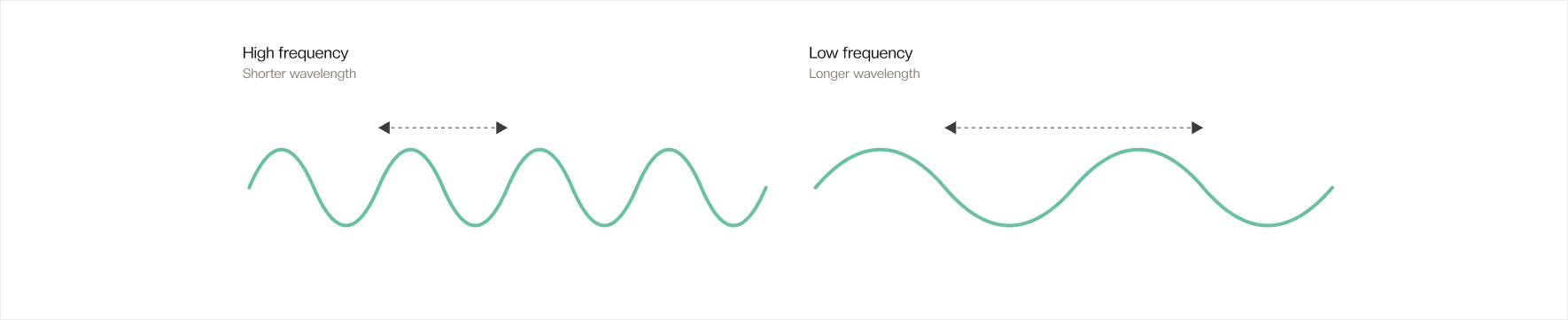
Frequency

Measured in Hertz (Hz). Faster vibration = higher pitch.

Human hearing range

20 – 20,000 Hz

Most human speech

500 – 2,000 Hz

Below 20 Hz

Felt, not heard

Sound pressure

Measured in decibels (dB). 10× the pressure = +10 dB.

Most human speech

~60 dB

Hazardous exposure

above 85 dB

Common sound wave
behaviour in indoor spaces

Indoors, sound hits walls, furniture and people. Six things can happen:

Absorption

Sound enters a material and turns into heat. Too little of it and sound reflects instead.

Diffraction

Sound bends around edges and through gaps. Why an open door leaks speech.

Diffusion

Sound scatters off a textured surface. Too much and you can’t tell where it came from.

Reflection

Sound bounces off hard surfaces like marble and glass. Causes echo and reverberation.

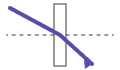
Refraction

Sound bends passing between materials, creating ‘shadow zones’ where you can’t hear it.

Transmission

Sound passes through a material and out the other side. Why neighbours hear you.

Reverberation

How long a sound lingers before it dies out.

Speech intelligibility

How well speech survives the room — vital in classrooms, auditoriums, airports and stations.

Sound absorption

Every material absorbs, reflects or transmits sound.

More absorbent

More reflective

Treatment placement by room shape

Curved surfaces scatter, flat ones reflect, concave ones focus. Avoid domes and parallel walls.

Small spaces

Close parallel walls bounce sound back and forth into echoes.
Strategy
Absorbers at reflection points on walls and ceiling.

Large spaces

Long reverberation; sound carries a long way.
Strategy
Wall and ceiling treatment plus diffusing barriers.

Hallways

Narrow parallel walls plus heavy traffic create flutter echo.
Strategy
Wall absorbers at shoulder height or above, plus carpet.

Circular spaces

Curves focus sound into the centre of the room.
Strategy
Diffusers on the curved surfaces; keep desks out of the centre.

Slanted surfaces

Angled surfaces concentrate sound in one spot.
Strategy
Absorbers on the surface opposite the incline.

Adjacent rooms

Sound leaks between rooms, killing speech privacy.
Strategy
Absorbers on upper walls and ceilings of both rooms.

Multi-storey spaces

Sound travels between levels, adding noise everywhere.
Strategy
Treat all surfaces; add vertical barriers where needed.

Our Range

3 ways to mount
acoustic light

Ceiling

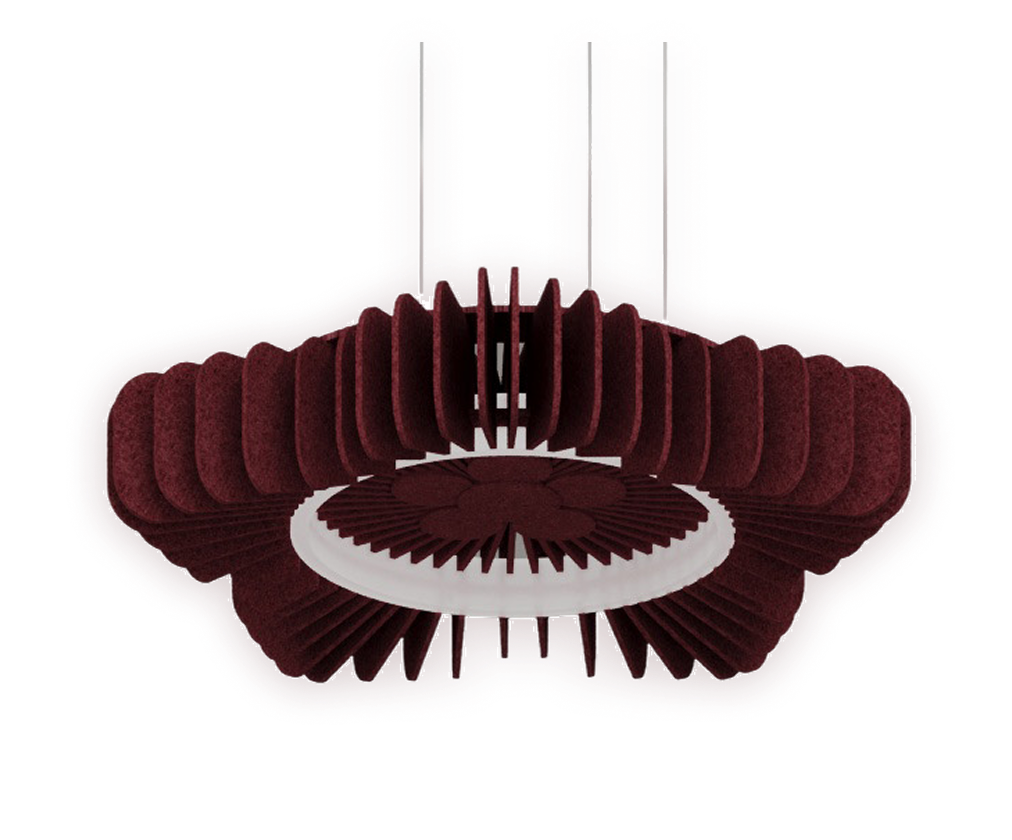
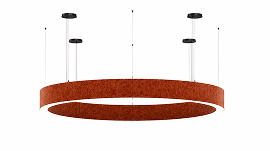
Suspended & surface luminaires for open and closed ceilings.

Wall

Acoustic panels & absorbers, illuminated or pure felt.

Ceiling Systems

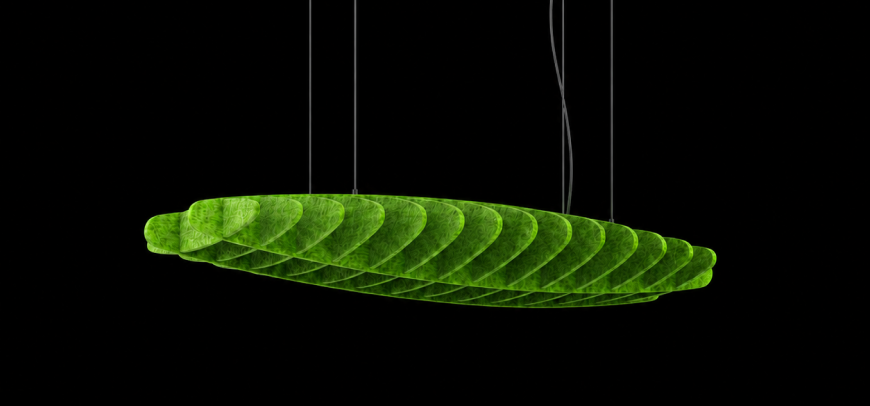
Modular, linkable rafts & grids for large spans.

HOW IT WORKS Engineered to absorb

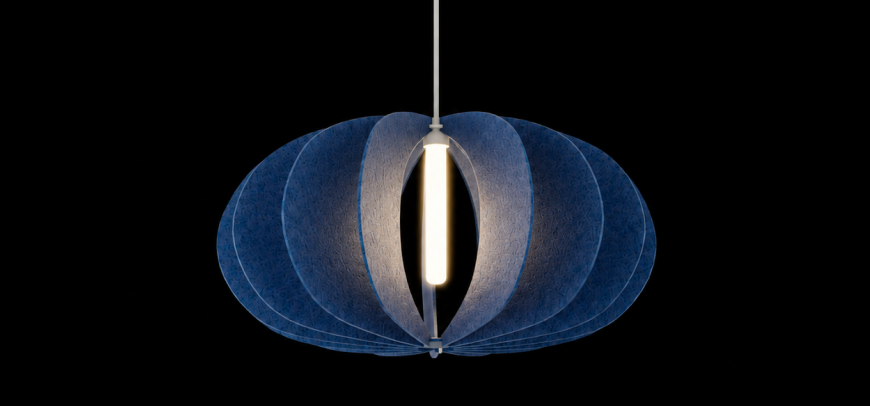
A layered PET-felt body converts sound energy into heat while an integrated optic delivers controlled, low-glare light. The two functions share one housing, so a single fixture quiets a room and lights it.
Class A

Sound absorption

9–24 mm high-density recycled PET-felt core traps mid and high frequencies.

NRC 0.90

Noise reduction

Cuts reverberation time in hard, reflective architectural interiors.

UGR <19

Low-glare optics

Integrated LED at 2700–4000K, CRI >90 on illuminated versions.

To order

Manufactured

Size, shape, finish and light are specified per project.

Standards & Sustainability

Fire rating

ASTM E84

The PET felt meets ASTM E84 (Class A / Class 1) for flame spread and smoke development — the highest surface-burning classification for interior finishes under US and IBC code.
Recyclability

Up to 60% rPET

Manufactured from recycled PET (post-consumer plastic bottles) and fully recyclable at end of life, supporting closed-loop and take-back programs.
Certifications

GREENGUARD Gold

Low-emitting GREENGUARD Gold materials that contribute toward LEED v4 and WELL credits — verified for indoor air quality in schools and healthcare.

Two Configurations

Illuminated & Non-illuminated

Illuminated

Acoustics and light in one body

An LED module is built into the felt housing to deliver task and ambient light where a space needs both silence and illumination.

– Integrated dimmable LED, 2700–4000K

– Low glare, UGR <19, CRI >90

– Combines lighting & acoustic budgets

Non-illuminated

Pure Acoustic absorption

Panels and baffles with maximum felt area and no wiring — freely positioned to hit an acoustic target at lower cost.

– No electrical connection required

– Largest absorptive surface per unit

– Freely placed on wall or ceiling

The difference is simple: illuminated units solve lighting and acoustics with one fixture; non-illuminated units maximise sound absorption where light is handled elsewhere. Many products are available in both.

Finishes

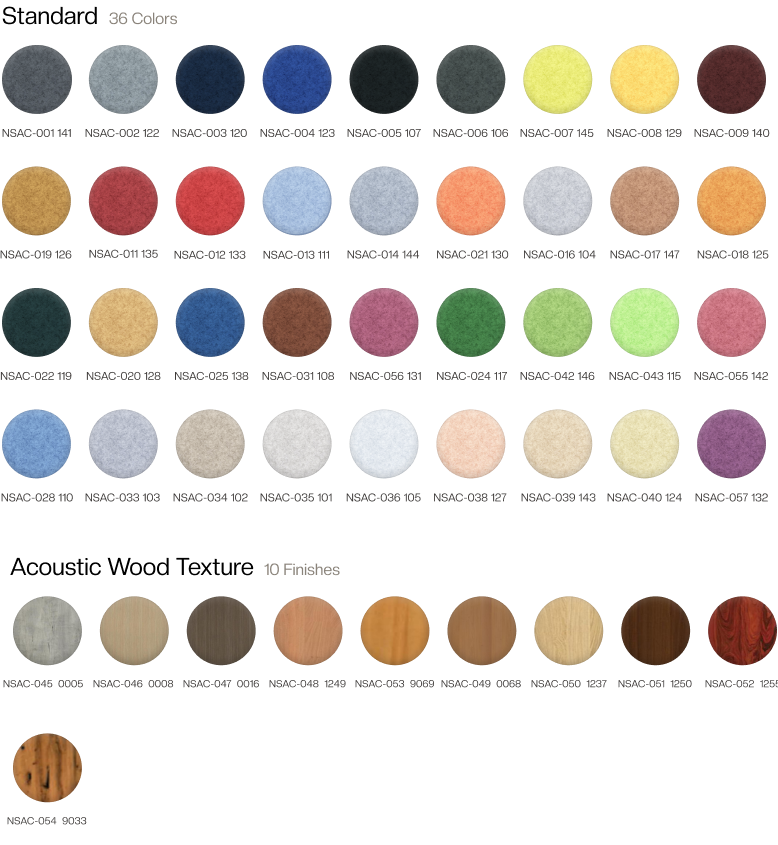
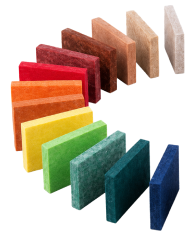
46 acoustic felt finishes

36 standard colors and 10 premium wood textures. Custom RAL and felt matching are available on request.

Body finish

Specifier's Guide

Choosing the right acoustic lighting

Picking a fixture is a balance of look, performance and the room itself. Five factors that shape the right specification:

01

Size & layout of the space

Room dimensions set the scale. Large volumes with high ceilings often call for bigger or multiple fixtures — pendants, rafts or panels — to manage both sound and light across the span.

02

Level of ambient noise

A busy open-plan office or high-traffic lobby has very different acoustic demands than a gallery or private studio. Match the amount of absorptive area to how loud the space really is.

03

Interior design theme

Performance shouldn’t cost you aesthetics. With 46 felt finishes and custom shapes, there’s a treatment that fits a modern, traditional or transitional scheme without looking like a bolt-on.

04

Desired lighting effect

Light sets the mood. Bright, energising output suits a workspace; soft, warm light suits a restaurant. Choose colour temperature and output to match how the room is used.

05

Noise Reduction Coefficient

NRC rates how much sound a fixture absorbs — the higher the value, the better. Look for a high NRC to be confident the treatment will meaningfully calm the room.
The aim is a harmonious balance of sound and light — improving how a space performs and how it feels.

Where It Works

Made for spaces that need to sound better

Offices & Meeting Rooms

Restaurants & Hospitality

Auditoriums & Lecture Halls

Retail & Showrooms

Lobbies & Reception

Education & Campus

Custom

We can customize
everything.

Size, shape, felt color, light temperature, output, mounting, logos and cut-outs — every parameter is open. Products are made to order for the project in front of you, so a specification is never limited to a catalog page.

ACOUSTIC Collection

Specify light that quiets
the room

FAQ

Common
Questions

Everything specifiers ask about the Acoustic Collection. Can’t find it?

Talk to our team.

What is the Acoustic Collection made of?
Each fixture is built around a high-density felt core made from recycled PET (the same material recovered from plastic bottles), typically 9–24 mm thick. On illuminated versions an integrated LED module sits within the felt housing, so a single body handles both sound absorption and light.
Depending on product and mounting, the collection reaches up to Class A absorption with a noise reduction coefficient (NRC) around 0.90. In practice that means a marked drop in reverberation and echo in hard, reflective interiors — the felt converts sound energy into heat across mid and high frequencies.
Illuminated units carry a built-in LED (2700–4000K, UGR <19, CRI >90) so one fixture both lights and quiets a space. Non-illuminated units drop the electronics for the largest possible felt area, giving maximum absorption at lower cost where lighting is handled elsewhere. Many products are offered in both configurations.
Offices and meeting rooms, restaurants and hospitality, auditoriums and lecture halls, retail and showrooms, lobbies and reception, and education or campus environments. The collection mounts three ways — suspended or surface on ceilings, on walls as panels and absorbers, and as modular ceiling systems (rafts and grids) for large open-plan spans.
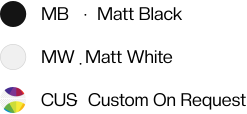
More than 30 acoustic felt colors are drawn straight from the BYIBA specsheets, with the metal body available in Matt Black or Matt White. Custom RAL colors and bespoke felt matching are available on request, so the fixture can disappear into — or deliberately contrast with — the interior.
Yes — everything is open. Dimensions, shape, felt color and density, light temperature and output, mounting method, logos and cut-outs are all specified per project. Every fixture is manufactured to order, so a specification is never limited to a catalog page.
The PET felt is manufactured from recycled plastic and is itself recyclable, making it a low-impact choice for interiors. Fire classification is stated per product on its specsheet — share your project’s requirement and we’ll confirm the right build.
Download the specsheet on any product above, then contact our team to start a specification. Because items are made to order, lead time depends on size, finish and quantity — we’ll confirm a schedule with your quote.