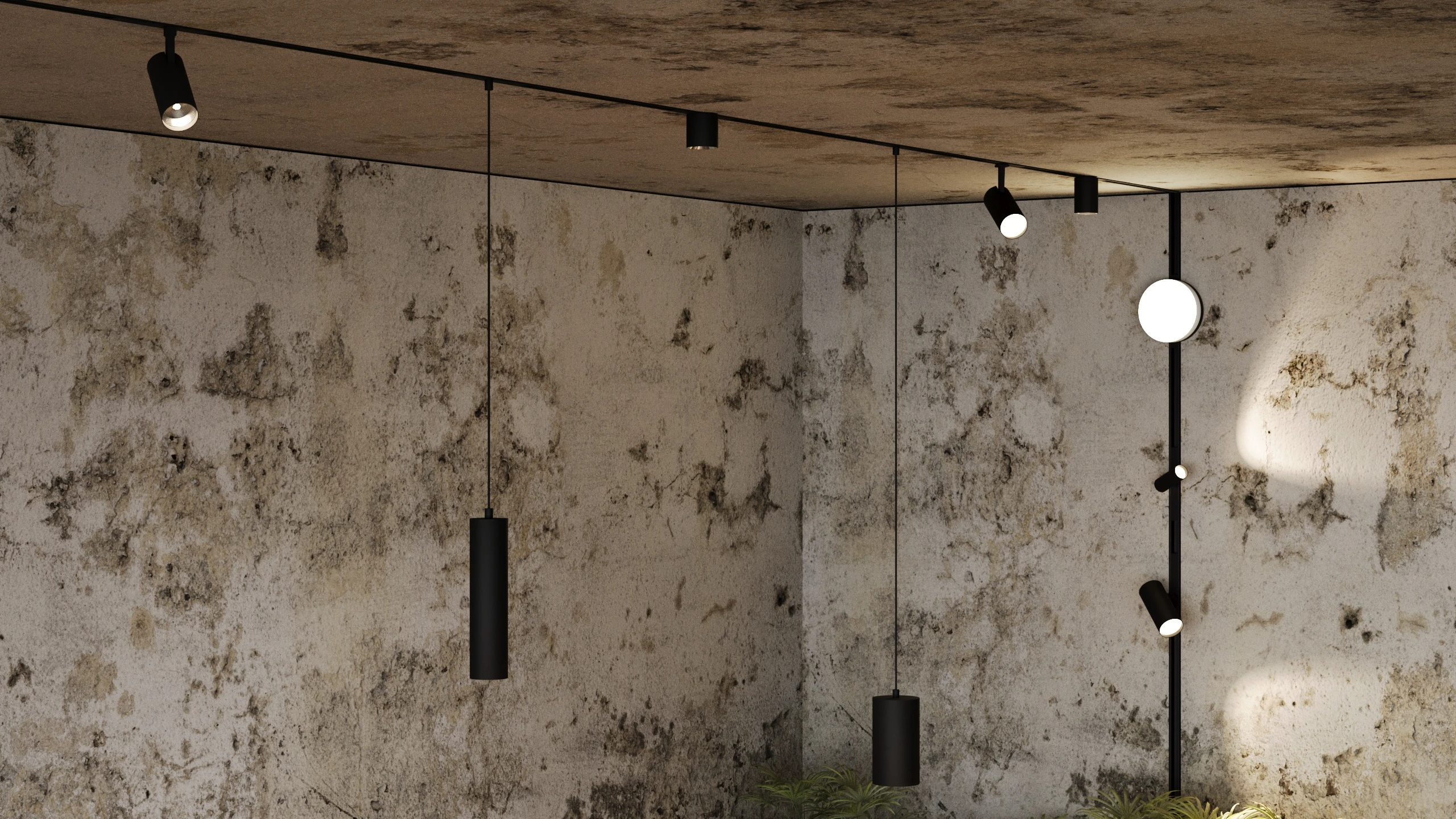
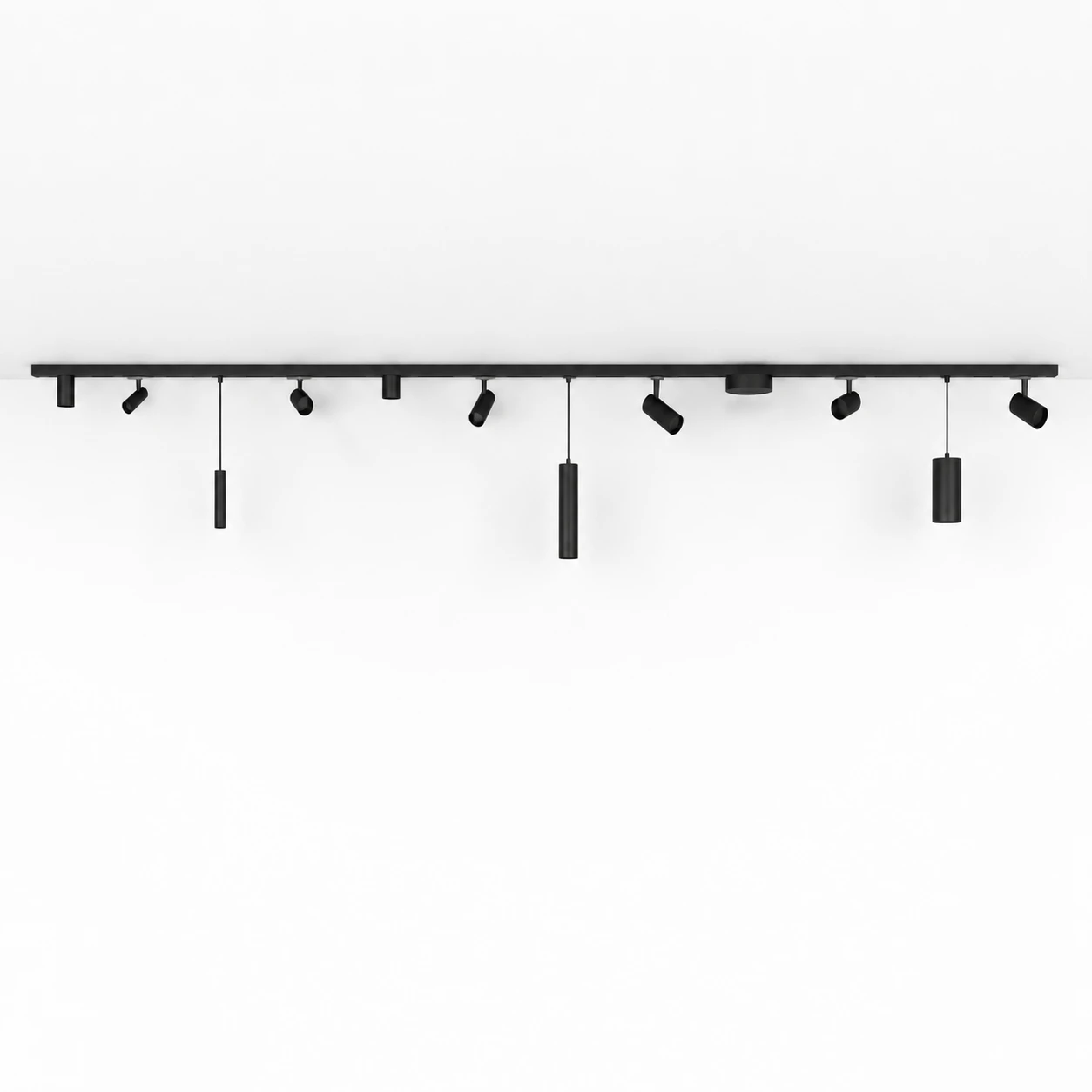
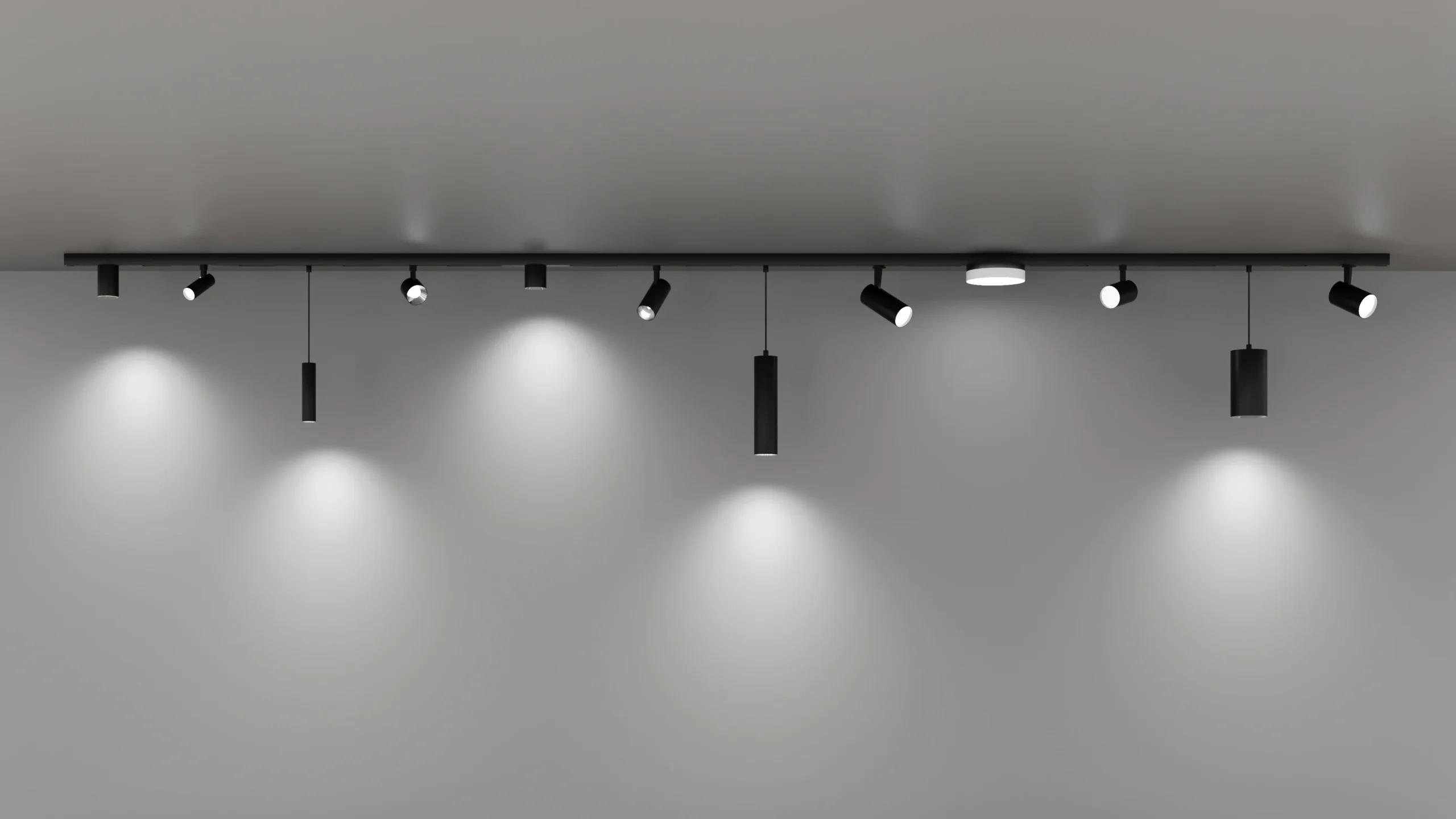
Magnetic track lighting isn’t the system that gets your layout right on day one — it’s the one that lets you fix it on day two, without an electrician.
What you’ll find in this article: how low-voltage magnetic track systems work, what to weigh when specifying one, and why architects and designers use them for spaces that need to change.
Picture a gallery the week before opening. The art is hung, the layout is final — until it isn’t. A piece gets swapped, a wall moves six inches, a sponsor wants their logo lit. With a hard-wired track, that means an electrician and a delay. With a magnetic track system, someone just slides the fixture over and snaps it back in.
What a magnetic track actually is
A magnetic track runs on low-voltage DC — typically 24V or 48V — carried through slim copper conductors embedded in an aluminum channel.
- Fixtures carry their own magnets and contact pins, so they lock mechanically and complete the circuit in the same motion
- No screws, twist-locks, or per-fixture wiring required
- One driver converts standard voltage once, at the source, instead of inside every fixture
Why it matters now
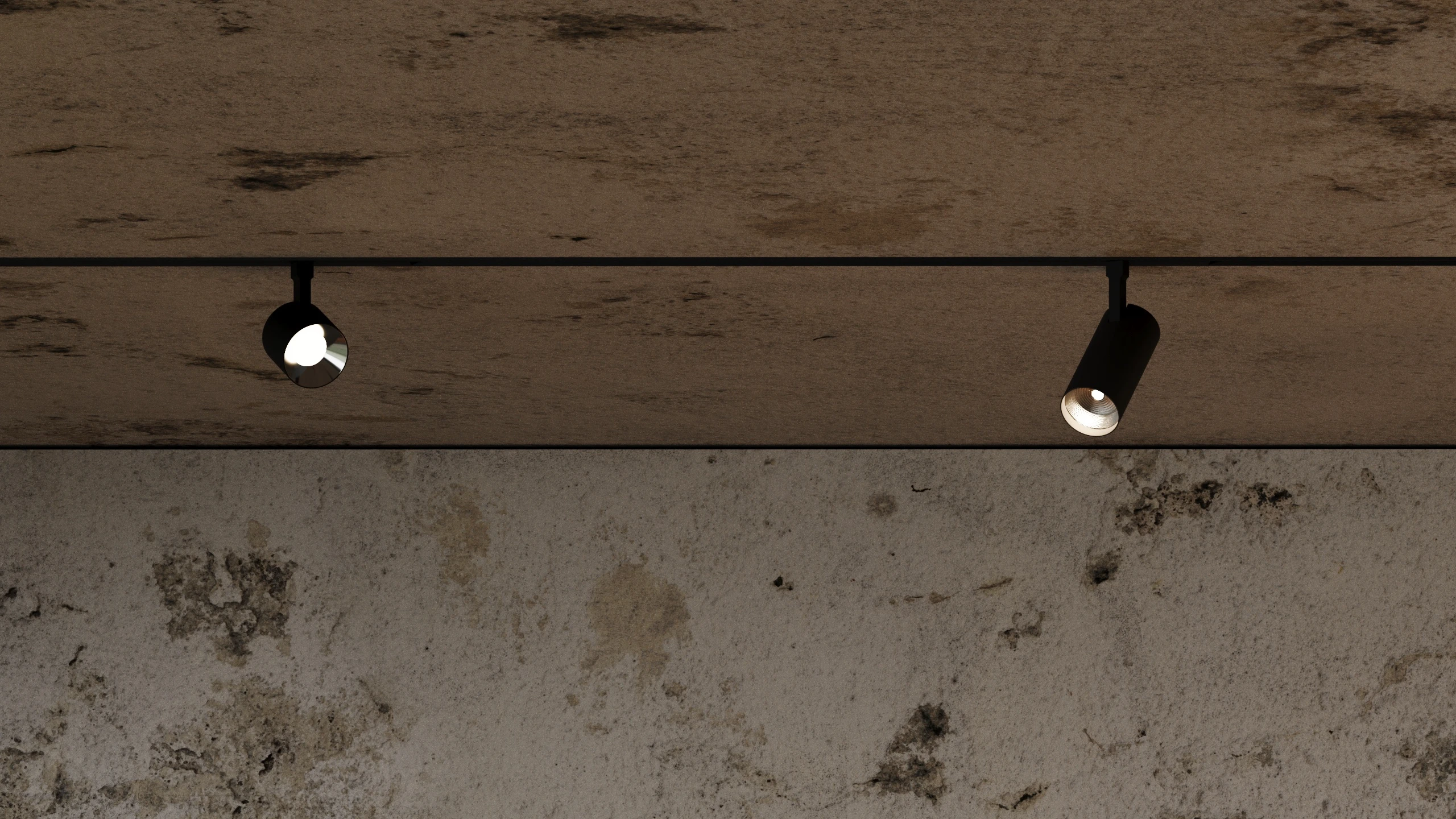
Lower voltage means thinner tracks — often half the width of conventional systems — which lets the track disappear into a ceiling line instead of announcing itself.
- No tools or electrician needed for everyday changes
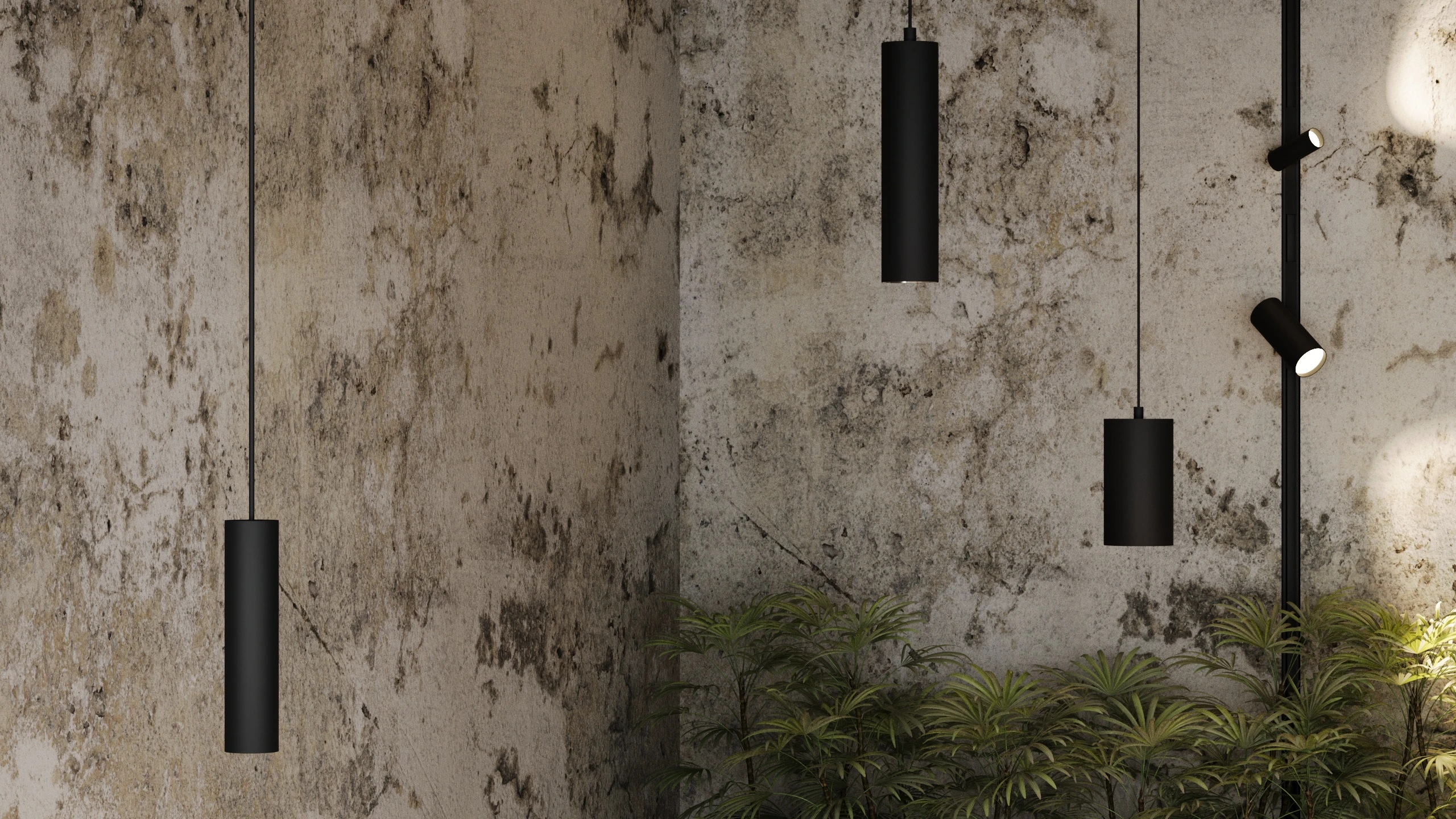
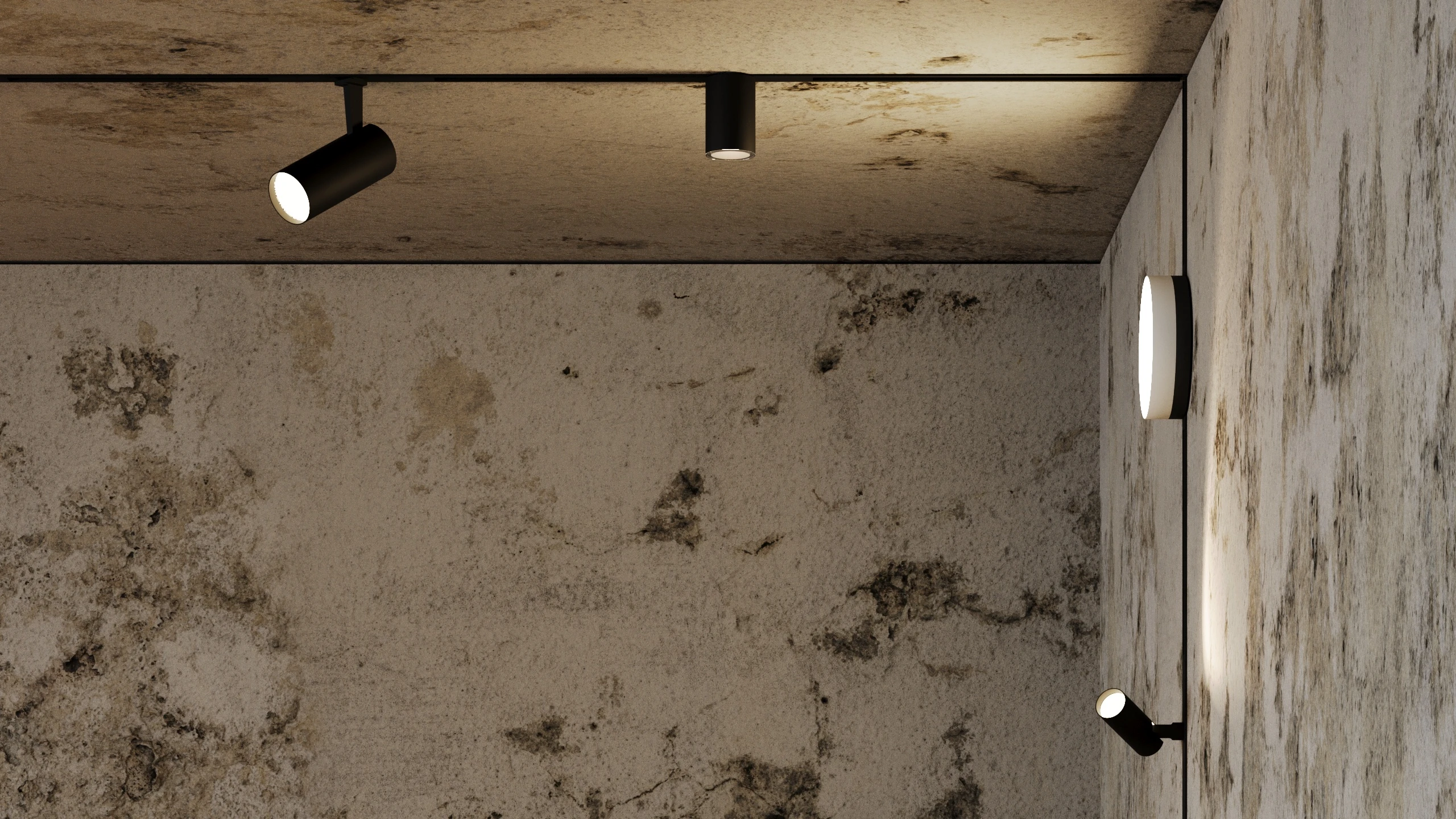
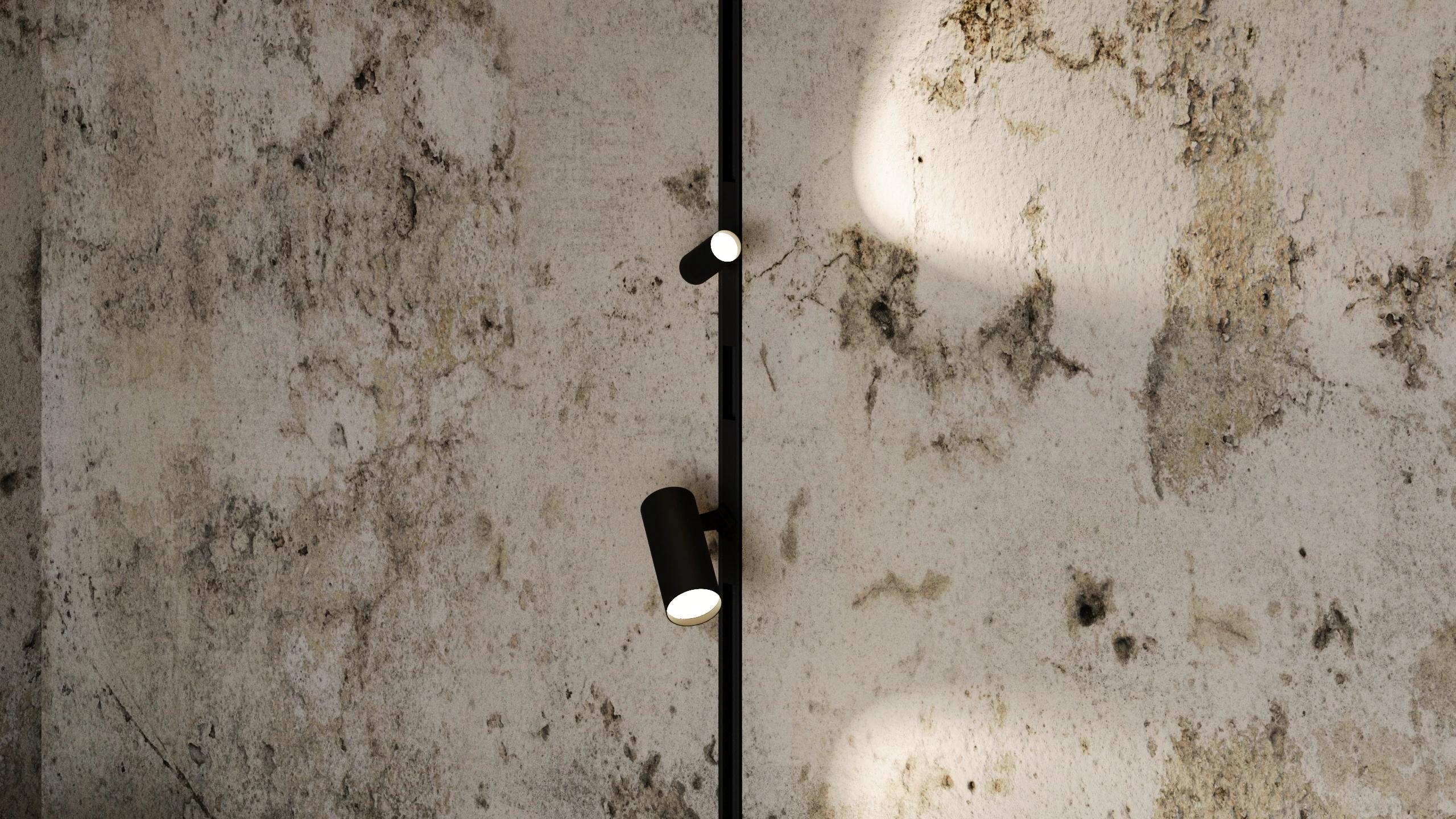
- Spotlights, linear runs, and pendants can be added, removed, or repositioned by hand
- The layout can evolve as the room’s use changes, not just at install
What a specifier should weigh
- Driver sizing: total fixture wattage on a run must stay under the driver’s rated capacity; larger installs may need multiple drivers per zone
- Mounting profile: recessed, surface-mounted, and suspended each suit different ceiling conditions — match the profile to the structure before locking the layout
- Controls: confirm dimming and zoning compatibility early if mood lighting is part of the brief
Where it earns its keep
- Retail and gallery spaces that rehang or reset seasonally
- Offices and hospitality venues layering ambient, task, and accent light on one run
- Renovation projects where a recessed system isn’t structurally possible
A track that only lights the room as designed is doing half its job. One that adapts as the room evolves is doing the other half.